The pattern is well documented and deeply frustrating. A Type 2 diabetic commits seriously to weight loss — dietary overhaul, consistent exercise, real discipline. Twenty pounds gone. Then thirty. Their doctor is encouraging. And then the next A1C comes back worse than the one before. The patient hasn't failed. But nobody has explained to them why the treatment isn't working.
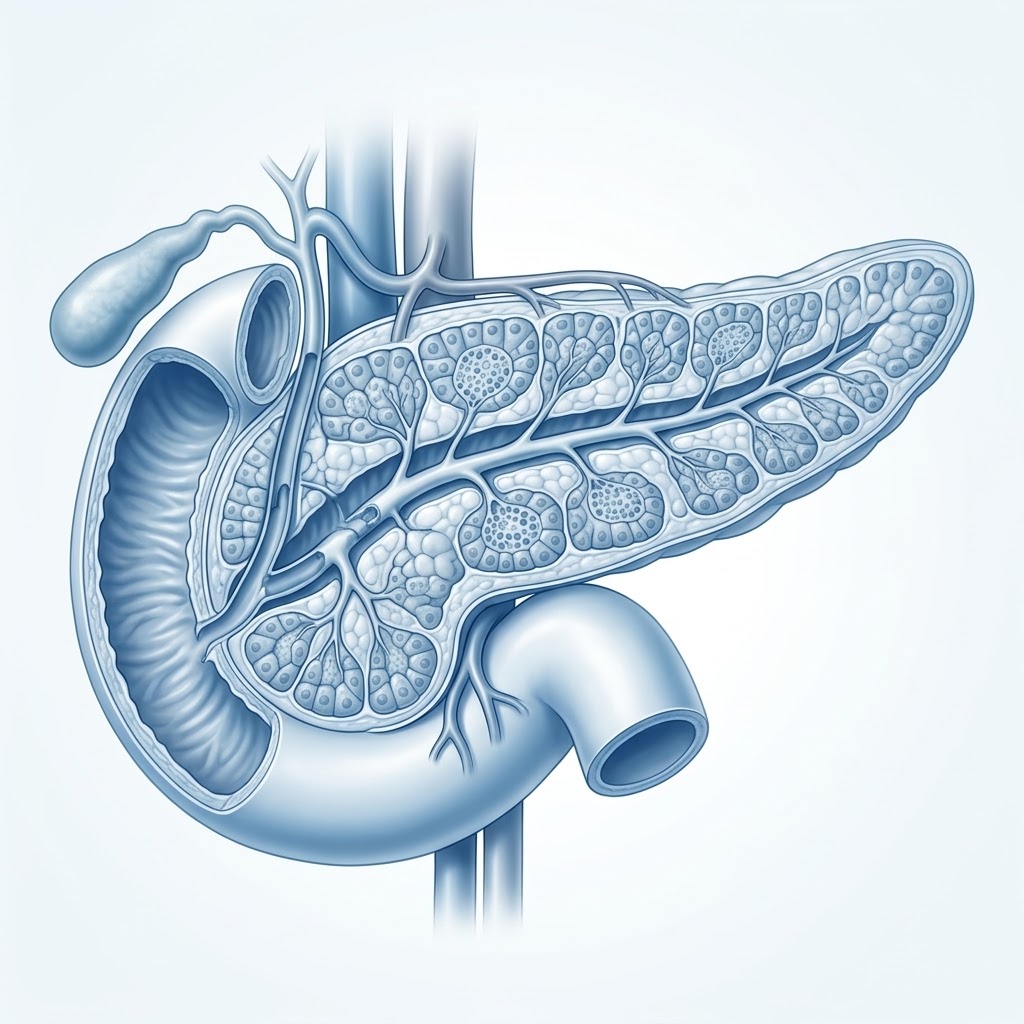
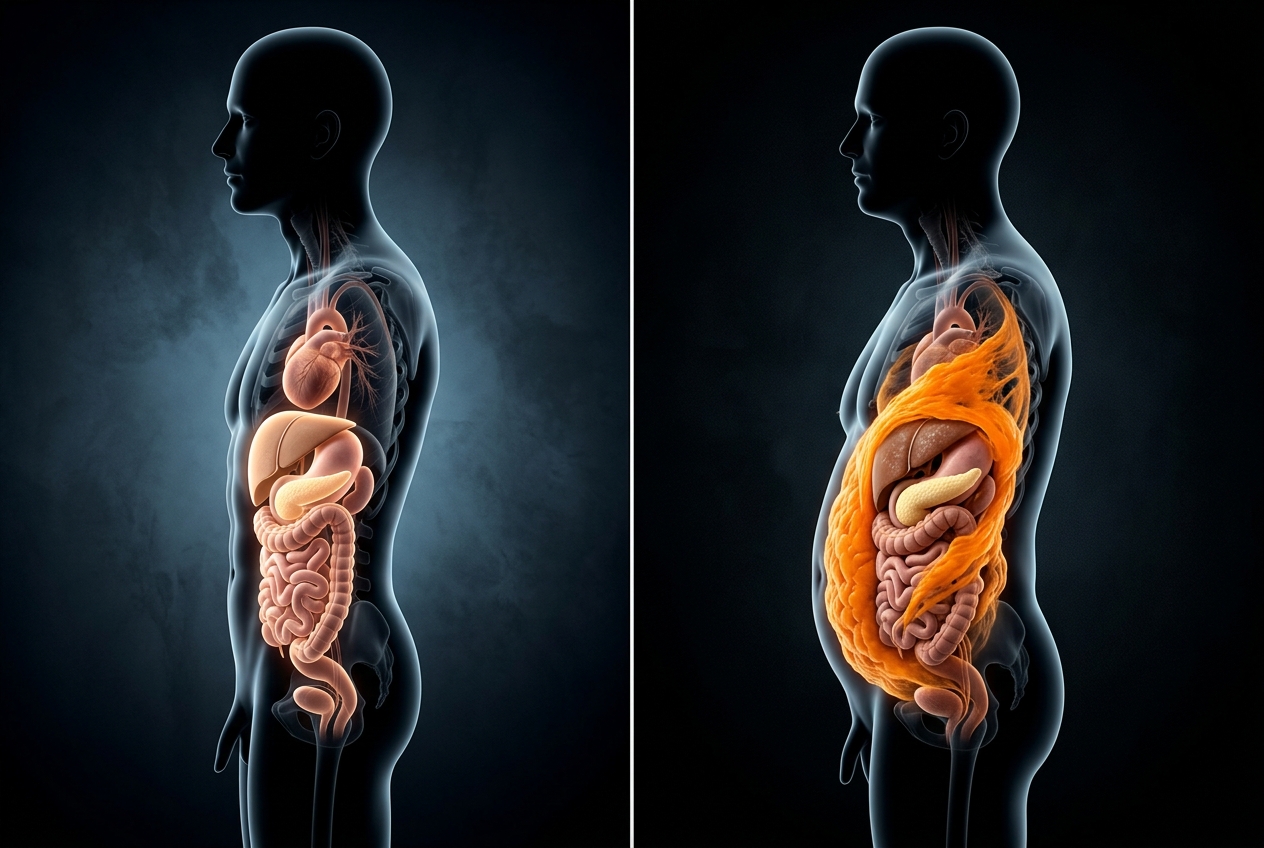
The answer lies in a distinction most standard diabetes care never makes: there are two types of body fat, and they are not metabolically equivalent. Subcutaneous fat — the fat stored directly under the skin, the kind you can pinch — is relatively inert. It stores energy but does not meaningfully interfere with insulin function. Visceral fat is different. Stored deep around the organs — the liver, pancreas, kidneys, and intestines — visceral fat is biologically active. It secretes a class of signaling molecules called adipokines, including TNF-α, IL-6, and resistin. These compounds travel through the bloodstream and arrive directly at insulin receptors, where they physically block the receptor sites that allow cells to absorb glucose from the blood.
Participants who lost 15% of body weight but retained visceral fat deposits showed no improvement in insulin receptor sensitivity — while participants with equivalent weight loss but reduced visceral fat showed a 41% improvement in insulin response.
Why You Can Look Thinner and Still Have the Problem
Visceral fat is invisible from the outside. It does not correlate reliably with BMI, waist circumference, or total body weight. Two people standing at the same weight and wearing the same pants size can have dramatically different visceral fat profiles — which is why some individuals at a "healthy weight" develop Type 2 diabetes while some overweight individuals maintain normal insulin sensitivity. Weight loss achieved through calorie restriction, while beneficial for many reasons, disproportionately reduces subcutaneous fat. Visceral fat — the fat that is actively blocking insulin receptors at the cellular level — is far more resistant to standard dietary intervention. This is not a moral or motivational failure. It is a biochemical reality that standard diabetes treatment was not designed to address.
"The patient who loses weight and still has rising A1C isn't failing. Their treatment is addressing the wrong target."
What Researchers Found Addresses the Source
The inflammatory pathway activated by visceral fat adipokines — specifically NF-κB activation in pancreatic and hepatic tissue — is the same pathway implicated in PM2.5-related beta cell decline and in the cortisol dysregulation that drives the dawn phenomenon. These are not separate problems. They are the same underlying inflammatory cascade expressing itself through different triggers. Researchers investigating compounds that directly modulate the NF-κB pathway found that high-polyphenol botanicals act upstream of the adipokine cascade — reducing the inflammatory signal before it reaches insulin receptors, rather than attempting to manage the blood glucose that results after the damage is done. The free video below explains what this means for the 32,000 Americans who incorporated this approach alongside their existing treatment.
The visceral fat inflammation mechanism — and what the research found works upstream of standard treatment. Free, 4 minutes.
► Watch the 4-Minute Video — Free