Every morning, the ritual is the same. Fasting glucose. Medication taken the night before. Nothing eaten since dinner. And yet the number on the meter is higher than it was before bed — sometimes significantly so. Doctors call it "the dawn phenomenon," but most patients leave their appointments without a real explanation of why it happens, or what — if anything — can be done about it.
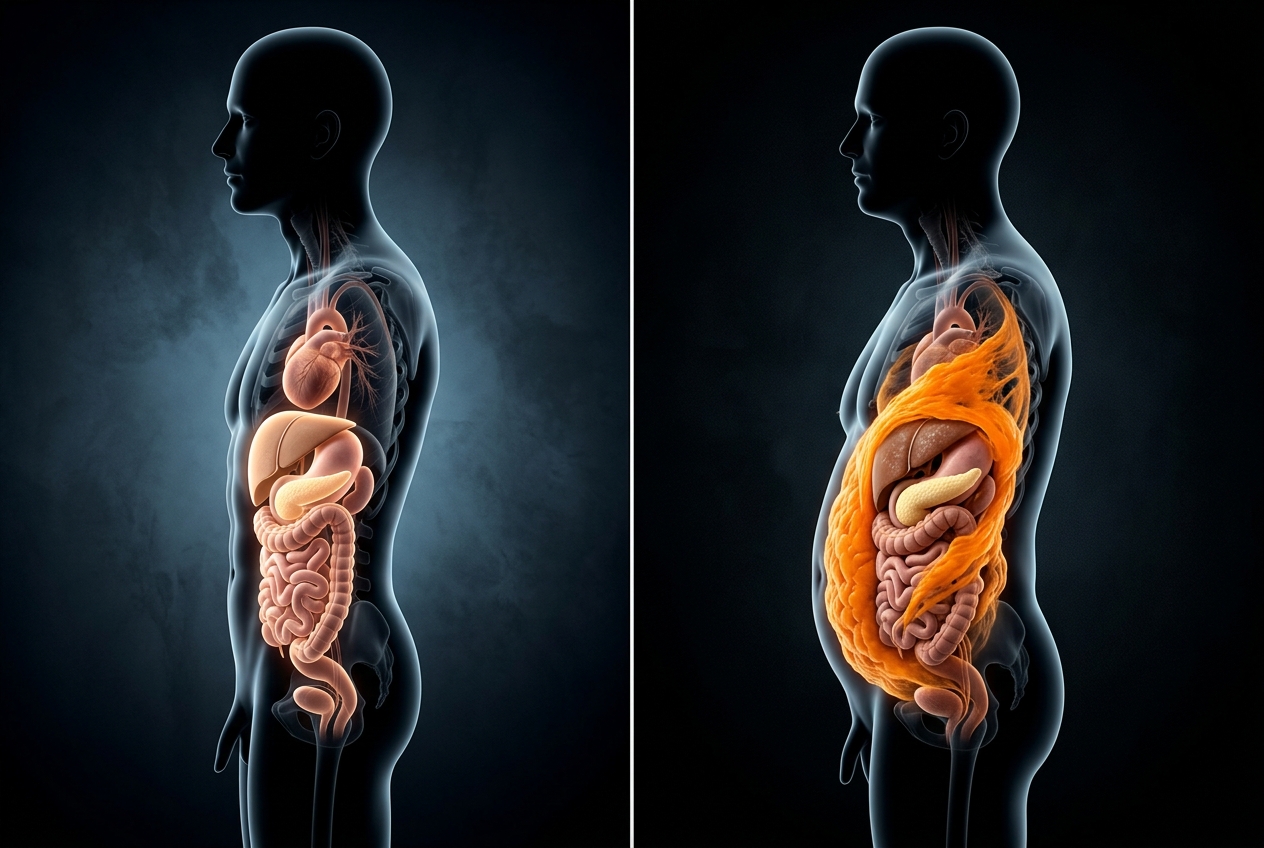
The mechanism is not mysterious. Between approximately 4 and 8 a.m., the body initiates its natural wake-up sequence, releasing a surge of cortisol and growth hormone as part of the circadian rhythm. In people without diabetes, this triggers the liver to release stored glucose — a normal energy preparation for the waking day. In people with Type 2 diabetes, insulin resistance means that glucose surge isn't cleared efficiently. It arrives in the bloodstream as an elevation the patient never ate, never chose, and had no way to prevent through the habits their treatment plan addresses.
Researchers found that restricting sleep to 6 hours per night for just one week increased insulin resistance markers by 48% — independent of dietary changes, medication adherence, or exercise. The mechanism was cortisol dysregulation.
Why Poor Sleep Makes It Dramatically Worse
The cortisol mechanism doesn't operate in isolation. Chronic sleep restriction — common among Type 2 diabetics managing nighttime urination, anxiety, nerve discomfort, and the restlessness that accompanies elevated glucose — pushes cortisol levels higher throughout the entire night, not just in the early morning hours. By the time dawn arrives, the phenomenon is amplified: more glucose released by the liver, less efficiently cleared by insulin-resistant receptors, arriving as a fasting spike far higher than the circadian rhythm alone would produce. The patient who slept six disrupted hours wakes up to a number that reflects both the dawn mechanism and a week — or years — of accumulated cortisol elevation.
"We've been so focused on what patients eat and how much they exercise that we built an entire treatment protocol around conscious choices. The overnight problem operates outside that window entirely."
What This Means for Your Treatment
Standard diabetes treatment — metformin, GLP-1 agonists, dietary management — addresses the glucose that results from waking-hour choices: what you eat, how much you move, what time you take medication. None of it touches the nocturnal cortisol-glucose cycle. This explains the pattern millions of patients report: consistent effort, consistent medication adherence, and a fasting number that simply refuses to come down regardless of what they do during the day.
The research group that identified the cortisol-pancreas connection in the 2021 JAMA findings also investigated which natural compounds directly modulate this pathway — the same mechanism implicated in progressive beta cell decline when the cortisol response remains chronically elevated. Certain high-polyphenol botanicals showed activity specifically on cortisol signaling in pancreatic tissue, reducing the overnight glucose release without requiring any change to sleep habits the patient may be unable to control. A full explanation of the research — and what 32,000 Americans found when they incorporated this approach — is in the video below.
The overnight blood sugar mechanism — explained plainly, with the research behind it. Free, 4 minutes, no email required.
► Watch the 4-Minute Video — Free