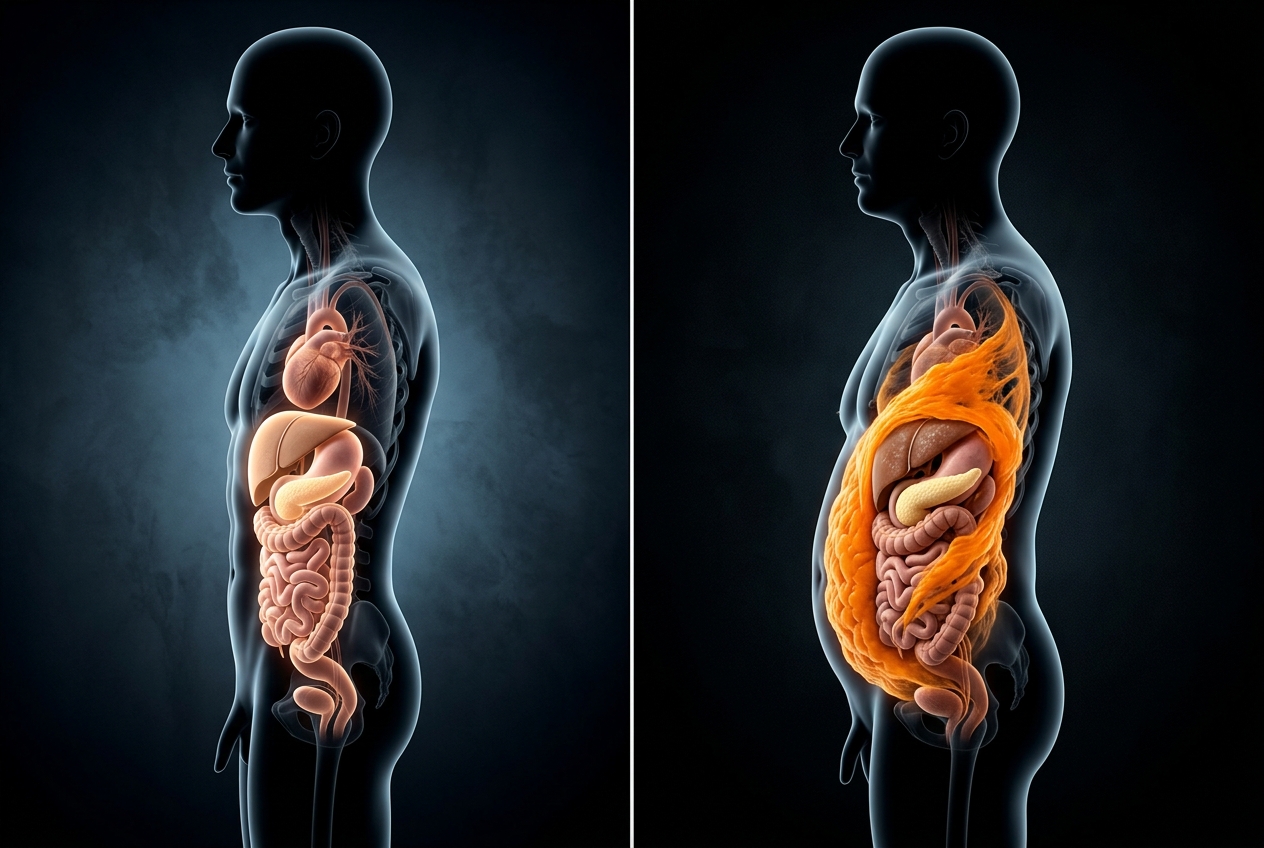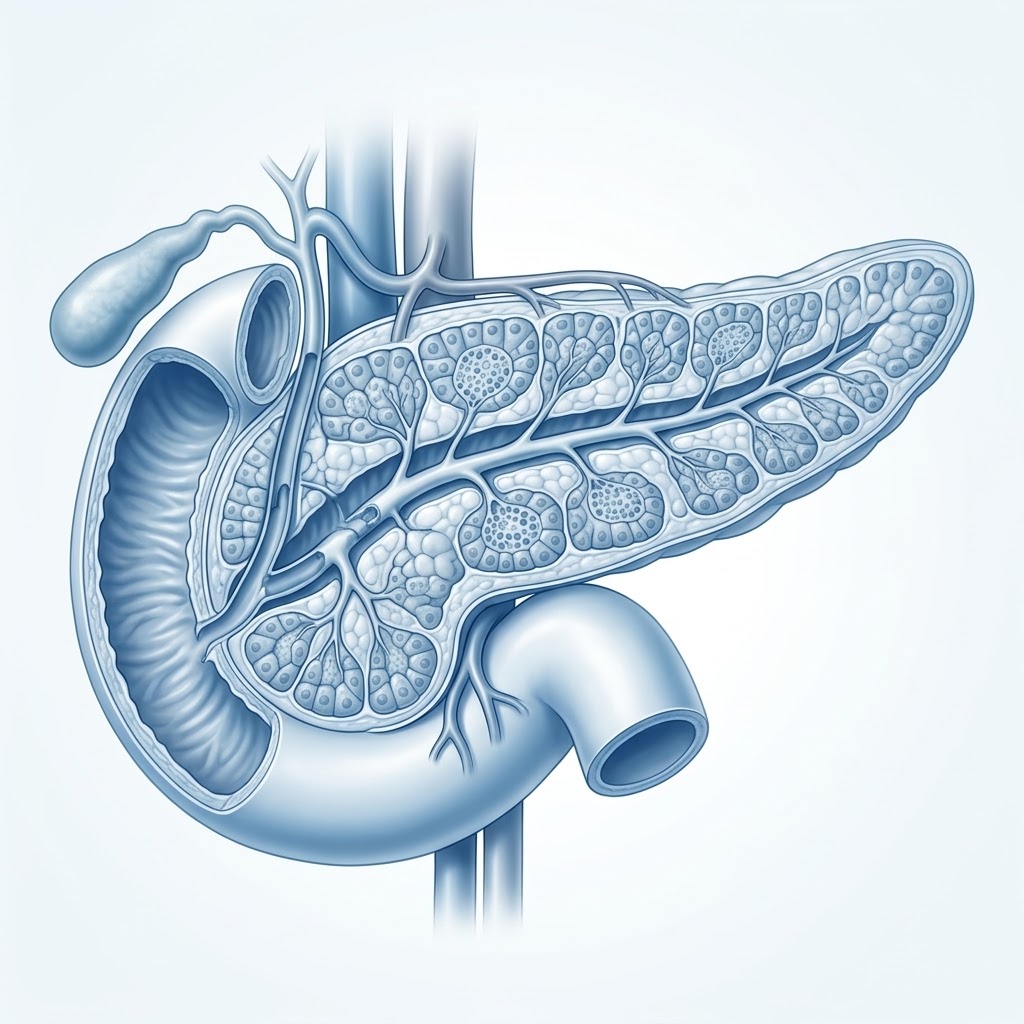
The A1C test has been the cornerstone of Type 2 diabetes monitoring for decades. It measures average blood glucose over roughly three months — a useful snapshot, but one with a significant blind spot that researchers are increasingly discussing: it measures the result of beta cell damage, not the damage itself.
Beta cells are the insulin-producing units in the pancreas. When they're healthy, they respond to blood glucose precisely and rapidly. When they're inflamed — as research shows can happen from environmental exposure to PM2.5 air particles — they begin to underperform long before standard blood markers indicate a problem. By the time your A1C starts climbing, years of silent inflammation may have already occurred.
Standard diabetes panels measure downstream glucose effects. They do not measure NF-κB pathway activation — the upstream inflammatory mechanism linked to PM2.5 exposure and beta cell damage in the 2022 Harvard study.
The Markers That Matter More
A growing cohort of endocrinologists are adding specific inflammatory biomarkers to their monitoring protocols: C-reactive protein (CRP), interleukin-6 (IL-6), and TNF-alpha — all indicators of systemic inflammation that correlates with pancreatic deterioration. These tests aren't yet standard, but they're available at most labs and revealing in patients whose standard panels show "managed" results while their condition quietly worsens.
"We've been looking at the smoke for 30 years. The 2022 data suggests we should have been looking at the fire."
The practical implication is significant: if the inflammation driving your blood sugar instability isn't being measured, it isn't being treated. Standard treatment — metformin, dietary restriction, exercise — addresses glucose without touching the inflammatory cascade. This is why so many Type 2 patients plateau, then gradually worsen, despite full compliance.
The Compound That Targets the Source
The same research that identified PM2.5 as a driver of NF-κB pathway inflammation also flagged specific natural compounds with documented action at that pathway. The most studied is a high-polyphenol cinnamon cultivar grown in Swiss alpine conditions, with concentrations far exceeding standard commercial varieties. Its mechanism isn't blood sugar reduction — it's inflammation reduction, with blood sugar improvement as the downstream consequence.
A free 4-minute video explains the full mechanism, the Harvard study data, and the clinical evidence behind the 32,000 Americans who've used this compound as part of their diabetes management.
The research on pancreatic inflammation and what actually addresses it — in plain language, in under 5 minutes.
▶ Watch the Free Video