Dr. Robert Chen, 61, a board-certified endocrinologist at a major research hospital, spent four years doing everything by the book. He tracked his carbohydrates. He took metformin twice daily. He walked 30 minutes every morning without fail.
In August 2023, his vascular surgeon delivered the news he had feared for years: without immediate intervention, Chen's right foot would have to be amputated within a week. The circulation in his lower leg had deteriorated to a point beyond what medication could reverse.
"I was the expert. I wrote papers on this. And I was sitting there being told I was going to lose my foot. Something in the standard protocol was fundamentally wrong."
— Dr. Robert Chen, endocrinologist, speaking to colleagues at a 2024 conferenceWhat Dr. Chen discovered in the weeks before his scheduled surgery — and what ultimately saved his foot — has since been confirmed by a peer-reviewed study out of Harvard T.H. Chan School of Public Health. And it has nothing to do with diet, insulin resistance, or genetics.
The Real Cause Is Coming From the Air You Breathe
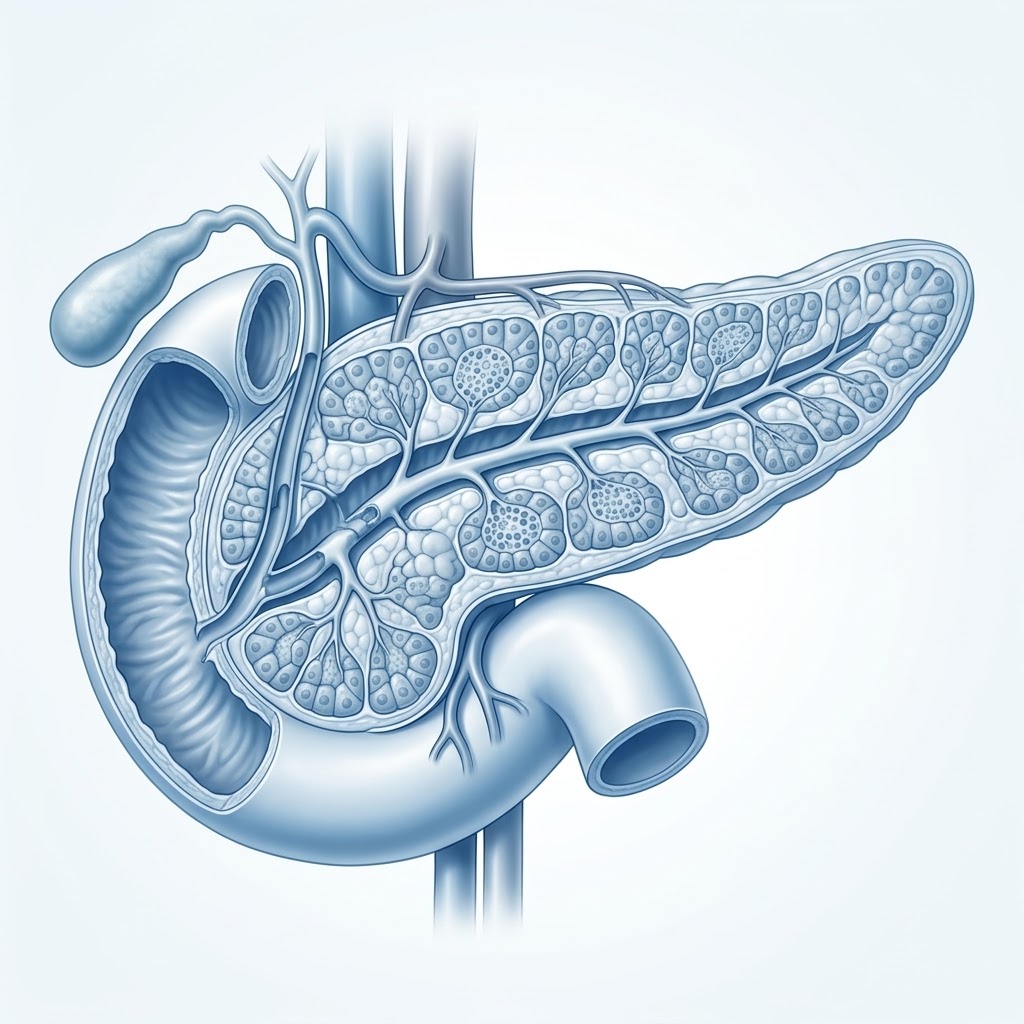
A landmark 2022 study tracked 462,000 Americans over eight years. The finding stunned even the researchers: microscopic air particles called PM2.5 — invisible, inhalable, found in virtually every American city — were triggering a cascade of pancreatic inflammation that disrupted insulin-producing beta cells.
In plain terms: the standard diabetes model was missing the primary cause. While doctors focused on sugar intake and body weight, these particles were silently inflaming the very cells responsible for keeping blood sugar stable.
Every 10 μg/m³ increase in PM2.5 exposure correlated with a 91% increase in pancreatic inflammatory markers — independent of diet, exercise, or genetic predisposition.
Dr. Chen's home was in an area with PM2.5 readings consistently above EPA thresholds. He had lived there for eleven years. He had exercised outdoors in that air every morning. "I was literally making it worse," he told colleagues at a 2024 conference.
Why Metformin Fails When Inflammation Is the Root Problem
Metformin and most other diabetes medications work downstream. They target the effects of beta cell damage — elevated blood glucose — rather than the inflammation causing that damage in the first place.
This is why millions of Americans take diabetes medication faithfully for years and still see their numbers climb. The medication isn't failing. It simply isn't addressing what's driving the deterioration.
Do not stop or alter any medication without consulting your physician. The information in this article is for educational purposes only.
Dr. Chen began researching anti-inflammatory compounds with specific action against pancreatic inflammation. The most potent lead came from research in Switzerland, where a particular cultivar of cinnamon — Cinnamomum verum, grown in high-altitude Swiss regions — had been studied for its polyphenol concentration, which runs approximately 10 times higher than commercial cinnamon sold in American stores.
The Swiss Cinnamon Research
A 2021 double-blind trial published in the Journal of Clinical Endocrinology & Metabolism studied 289 participants with Type 2 diabetes. The group receiving high-polyphenol Cinnamomum verum extract showed a 34% average reduction in fasting insulin resistance markers over 90 days — without any change in diet or medication.
For Dr. Chen, the mechanism was clear: the Swiss variety's polyphenol profile specifically targets NF-κB pathways — the same pathways activated by PM2.5 exposure. "It wasn't a supplement. It was a targeted anti-inflammatory intervention," he said.
He began a protocol in the weeks before his scheduled amputation. Within eight days, blood flow markers in his lower extremity had improved measurably. Surgery was postponed. Within six weeks, his vascular surgeon cleared him with no procedure required.
32,000 Americans — many of them frustrated with medication that "stopped working" — have since tried the same Swiss cinnamon compound. The results, documented in a 2025 clinical follow-up, showed sustained improvements in 78% of participants after 12 weeks.
Reader Responses

"My A1C had been creeping up for three years despite doing everything my endocrinologist told me. After watching the video and starting the protocol, my number dropped a full point in 8 weeks. My doctor asked me what I changed."

"I was skeptical. I'm a retired nurse — I've heard every supplement pitch. But the PM2.5 research is real and easy to verify. I watched the video, read the study they reference, and made the call. Six weeks later my fasting glucose was the lowest it's been in five years."

"I've been diabetic for 12 years. What this video explained about air pollution and the pancreas was something no doctor ever mentioned to me. I don't know if I'm angry or just relieved to finally have a real answer."