When researchers at Harvard T.H. Chan School of Public Health began examining what separated people with well-controlled Type 2 diabetes from those whose numbers kept rising despite compliance, they expected to find dietary differences. What they found instead was the air.
The 2022 study tracked 462,000 participants over eight years. The consistent variable wasn't carbohydrate intake, medication adherence, or exercise frequency. It was long-term exposure to PM2.5 particles — microscopic pollutants 30 times smaller than a human hair, produced by traffic exhaust, wood smoke, industrial activity, and — critically — common indoor sources like gas stoves, scented candles, and synthetic building materials.
Every 10 μg/m³ increase in PM2.5 exposure correlated with a 91% increase in pancreatic inflammatory markers — independent of diet, medication, or genetics.
Why Indoor Air Is Often Worse Than Outdoor
Most people associate air pollution with cities and highways. The EPA has documented for decades that indoor air quality is frequently 2 to 5 times worse than outdoor air — even in rural areas. Gas cooking produces PM2.5 levels that spike above outdoor traffic readings. Synthetic carpets and furniture off-gas particles continuously. Scented candles and air fresheners produce fine particle concentrations that can linger for hours.
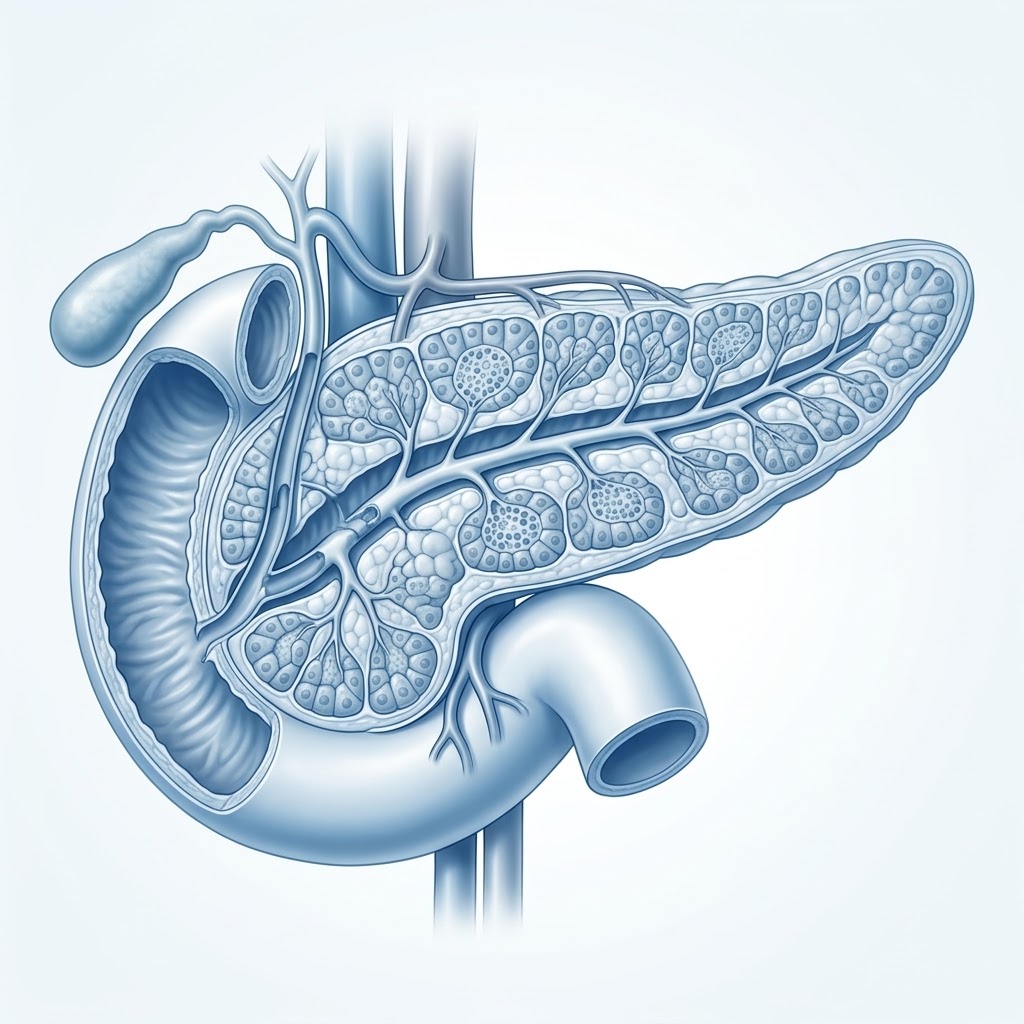
This matters for diabetes because PM2.5 particles are small enough to enter the bloodstream through the lungs and travel directly to the pancreas, where they activate NF-κB inflammatory pathways — the same pathways responsible for protecting insulin-producing beta cells. When these pathways are chronically triggered, beta cell function declines steadily, even in people who are doing everything else right.
"The inflammation from PM2.5 exposure is cumulative and silent. It doesn't show on a standard A1C test. But it's actively degrading the machinery that keeps blood sugar stable."
What This Means for Your Treatment
Standard diabetes treatment — diet, metformin, GLP-1 medications — works downstream. It addresses the elevated blood glucose that results from beta cell damage. It does not address the ongoing inflammation causing that damage. This is the mechanism behind the pattern millions of Americans experience: consistent medication, consistent effort, and still a rising A1C year after year.
The research group that published the 2022 Harvard findings subsequently investigated compounds with direct anti-inflammatory action on NF-κB pathways. The most promising candidate was a high-altitude Swiss cinnamon cultivar with polyphenol concentrations approximately 10 times higher than commercial cinnamon — and a documented mechanism targeting exactly the pathways activated by PM2.5. A full explanation of how this was tested — and the 32,000 Americans who used it — is available in the video below.
The Harvard researchers identified a natural compound that directly targets the PM2.5 inflammation pathway. Watch the free video to see what they found.
▶ Watch the 4-Minute Video — Free